Reviewing Camping T-shirt SVG Designs for Embroidery
As a designer who has spent countless hours digitizing patterns and testing them on various machines, I approach every new Camping T-shirt SVG Designs package with a mix of excitement and scrutiny. We often see these files marketed primarily for sublimation or print-on-demand, but the real question for us embroidery professionals is: how does this graphic translate when turned into thread? I recently pulled this specific design set into my workflow to evaluate its potential for real-world embroidery projects, ranging from custom client orders to my own small shop inventory.
First Impressions and Visual Personality
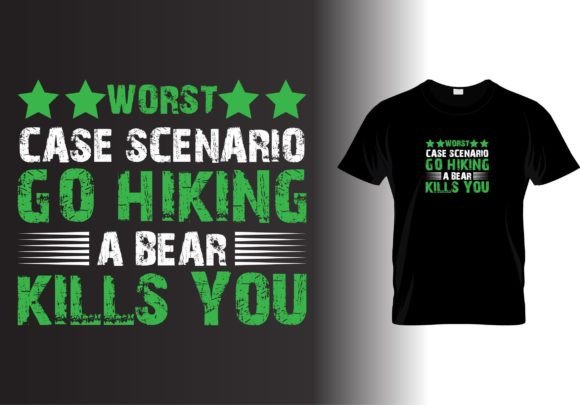
The immediate appeal of Camping T-shirt SVG Designs lies in its nostalgic yet modern aesthetic. The lines are clean, and the thematic elements—likely featuring tents, pine trees, campfires, or mountain silhouettes—carry a strong visual weight. For an embroidery designer, this is crucial. A design that looks busy on screen can become a muddy mess under the needle if the details are too fine. However, these graphics appear to have enough boldness to withstand the conversion process. The mood is adventurous and cozy, perfectly suited for the current trend of outdoor-inspired home decor and apparel.
When I imagine this design stitched out, I don’t just see a picture; I see texture. The potential for using a combination of satin stitch for borders and fill stitch for larger areas like mountain ranges or tree foliage is high. This versatility allows us to create depth without excessive bulk, which is a common pitfall in amateur digitizing.
Real-World Application: From Screen to Stitch
To truly test the viability of these T-Shirt Designs, I considered a specific scenario: creating a line of personalized tote bags for a local outdoor club. A tote bag design needs to be durable and visually striking from a distance. The camping theme fits this use case perfectly. Because the source files include high-resolution PNGs (4500×5400) alongside vector formats like EPS and SVG, I had the flexibility to trace the outlines for digitizing or use them as direct references for color placement.
Beyond tote bags, I evaluated how these Graphics would perform on sweatshirt embroidery. A crewneck sweatshirt provides a stable canvas for medium-to-large designs. The rustic charm of the camping motif pairs beautifully with heathered fabrics, provided you choose the right thread colors. Earth tones like olive green, slate blue, and burnt orange would enhance the natural feel of the design. For custom apparel, such as family reunion shirts or scout group uniforms, these designs offer a cohesive look that feels professional rather than generic clip-art.
Considerations for Smaller Items and Tricky Fabrics
While the design shines on larger surfaces, caution is needed when scaling it down. If you are planning to use this for baby embroidery on onesies or bibs, you must check the stitch density. Dense fills can make baby clothes stiff and uncomfortable. In such cases, I recommend simplifying the design by removing internal details and relying more on running stitch outlines or converting parts of the design into an applique design format. This reduces the stitch count and keeps the fabric soft.
Similarly, applying this to curved surfaces like caps requires careful hoop management. If the design includes wide horizontal elements, it may distort on a standard cap frame. Testing on scrap fabric is non-negotiable here. You need to ensure that the stabilizer you choose—likely a cut-away for stretchy fabrics or a tear-away for woven towels—provides enough support without adding unnecessary bulk.
Navigating Technical Challenges
One of the most critical aspects of using pre-made Camping T-shirt SVG Designs for embroidery is understanding the difference between a print-ready file and a stitch-ready file. Since this product offers EPS, SVG, and PNG formats, it is primarily designed for digital printing or cutting. As an embroiderer, you will likely need to digitize these vectors yourself or hire a digitizer. This is not a downside but a creative opportunity. It allows you to control the hoop size compatibility and adjust the underlay stitches to suit your specific machine.
Pay close attention to tiny lettering or intricate corners in the original graphic. In embroidery, sharp corners can cause thread breaks or puckering if not properly compensated with tie-in and tie-off stitches. If the design includes text, ensure it is large enough to be legible when stitched. Small, serif fonts often disappear into the fabric texture, especially on towels or fleece. Sans-serif, bold fonts tend to perform better in commercial embroidery settings where clarity is key.
Enhancing Product Value and Brand Consistency
For Etsy sellers and craft business owners, the perceived value of a handmade product is heavily influenced by the quality of the decoration. A well-executed camping design on a high-quality canvas bag or apron can command a higher price point than a simple printed item. Customers appreciate the tactile nature of embroidery. It signals effort, durability, and uniqueness.
Using these design assets consistently across your product line helps build brand recognition. Imagine offering a matching set: a personalized gift bundle including an embroidered pillow cover, a kitchen towel, and a tote bag, all featuring variations of the same camping motif. This coherence creates a professional boutique feel. Furthermore, when you create printable mockup images for your online store, showing the design in both print and embroidery contexts can attract a wider audience, though you must be clear about what the customer is actually purchasing.
Practical Notes for the Embroidery Designer
Before you commit to running a full production batch, follow these practical steps:
- Test on Scrap Fabric: Always run a test stitch-out on the exact fabric type you plan to use. Check for puckering, thread breaks, and registration issues.
- Check Thread Contrast: View your design in black and white to ensure there is enough contrast between elements. Low contrast can make the design look flat.
- Verify Licensing: While the product description mentions usage for creating products like sublimation t-shirts and mugs, always confirm if the license covers commercial embroidery sales. Most designers allow finished product sales, but reselling the digital file itself is typically prohibited.
- Assess Hoop Size: Ensure the design fits within your available hoop sizes without requiring excessive re-hooping, which can lead to alignment errors.
- Consider Washability: For items like holiday embroidery gifts or daily-use apparel, use high-quality threads that resist fading and shrinking. Secure all loose ends to prevent unraveling in the wash.
In conclusion, Camping T-shirt SVG Designs offers a solid foundation for creative embroidery work. While it requires the extra step of digitizing or adapting for stitch, the visual appeal and thematic relevance make it a worthwhile investment for designers looking to expand their small shop product offerings. With careful attention to stitch density, fabric choice, and stabilizer selection, these graphics can transform into stunning, tangible pieces that customers will cherish.