Reviewing the Beer Makes Me Hoppy Design for Real Embroidery
As a designer who spends more time staring at stitch simulations than I do sleeping, I have learned that not every cute graphic translates well to thread. We often see digital assets that look crisp on a screen but turn into a tangled mess under the needle. That is why I approach every new machine embroidery design with a healthy dose of skepticism and a stack of scrap fabric. Recently, I pulled up the Beer Makes Me Hoppy Funny Alcohol Quote to evaluate its potential for actual production. This is not just about whether it looks funny; it is about whether it holds up as a viable product for craft businesses and hobbyists alike.
First Impressions: Mood and Visual Personality
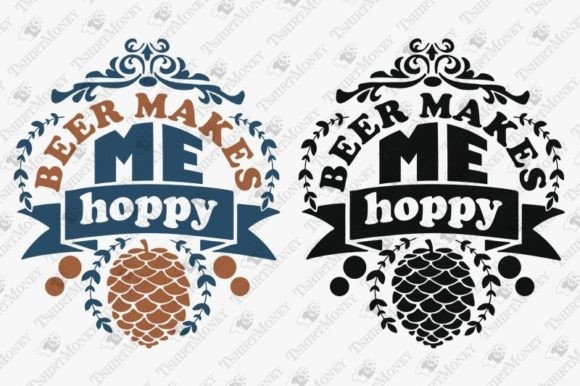
The immediate appeal of this design lies in its playful pun. It taps into the popular craft beer culture with a lighthearted twist that feels approachable rather than edgy. Visually, the layout suggests a balance between text and iconography, which is crucial for readability. When I zoomed in on the Graphics, I looked specifically for clean lines and logical spacing. For a quote-based design, the typography is everything. If the letters are too close together, the satin stitch or fill stitch will bridge the gaps, creating a blob rather than legible text. Fortunately, the spacing here appears intentional, allowing for proper stitch definition.
The theme naturally leans toward casual, fun apparel. It is not a design you would put on a formal blazer, but it is perfect for weekend wear. The visual personality is relaxed, making it an ideal candidate for items meant to spark conversation at a barbecue, a brewery tour, or a casual get-together. As a reviewer, I appreciate designs that have a clear identity. This one knows exactly what it is: a humorous nod to hop lovers.
Real-World Application: From Screen to Stitch
To truly test the viability of the Beer Makes Me Hoppy Funny Alcohol Quote, I imagined placing it on various substrates. My first thought was a classic cotton tote bag. A tote bag design needs to be bold enough to be read from a distance, and this quote fits that bill. The contrast between the thread colors and the natural canvas fabric would likely pop, especially if using earthy greens for the hops and a stark white or cream for the text.
Another strong contender is sweatshirt embroidery. Hoodies and crewnecks provide a stable, thick surface that handles density well. However, one must be cautious with the stitch density. If the design relies heavily on dense fills, it can make the garment stiff and uncomfortable. I would recommend checking the underlay stitches in your software before running it on a fleece-lined hoodie. If the density is high, adding a soft cut-away stabilizer is non-negotiable to prevent puckering.
I also considered this for custom apparel like t-shirts. Since the product description notes that SVG and DXF formats are included, this asset bridges the gap between embroidery and vinyl cutting. For those who prefer heat transfer vinyl on stretchy fabrics, the vector files allow for precise weeding and application. But for embroidery enthusiasts, stitching this on a jersey knit requires careful hooping and possibly a water-soluble topping to keep the stitches from sinking into the fabric texture.
Navigating Technical Challenges
While the concept is strong, execution is where many projects fail. There are specific scenarios where you should use the Beer Makes Me Hoppy Funny Alcohol Quote with caution. First, consider the hoop size. If you are working with a small 4x4 hoop, you may need to resize the design. Resizing embroidery files can distort stitch angles and densities. Always check the proportions after scaling. If the text becomes too small, the tiny details of the hops or the serifs on the letters might not stitch out cleanly, resulting in broken threads or messy jumps.
Textured fabrics present another hurdle. If you are stitching on a waffle-knit towel or a rough linen apron, the needle may skip, or the fabric may pull. In these cases, a tear-away stabilizer might not be enough. I strongly advise using a cut-away stabilizer for any item that will be washed frequently, such as kitchen towels or baby embroidery items. Speaking of baby items, while the quote is funny for adults, ensure the context fits your audience. This is definitely more suited for adult gifts or novelty items rather than nursery decor.
Dark fabrics require strategic planning. If you are stitching on a navy or black shirt, you cannot rely on standard thread colors to stand out without proper contrast. You might need to add a white underlay or choose bright, vibrant thread colors like neon green or gold. Always run a test stitch on a scrap piece of the same fabric to verify visibility. Never assume the on-screen preview matches the physical reality.
Commercial Viability for Etsy Sellers and Makers
For Etsy sellers and small shop owners, this design offers versatility. It fits neatly into categories like holiday embroidery for Father’s Day, birthday gifts for beer enthusiasts, or bachelor party favors. The key to selling finished products is perceived value. A well-stitched design elevates a plain t-shirt into a boutique item. However, professionalism is paramount. Sloppy stitching, loose threads, or misaligned hoops will kill customer trust instantly.
When listing this as a handmade product, highlight the quality of the execution. Use high-resolution photos that show the texture of the stitches. If you are selling the digital file itself, ensure you clarify the license terms. The product description mentions compatibility with major cutting machines, which broadens your potential customer base to include Cricut and Silhouette users. This dual-purpose nature—working for both embroidery and cutting—makes it a valuable asset in your library of design assets.
Consider creating printable mockup images that show the design on different products. Show it on a cap, a pillow cover, and an apron. This helps buyers visualize the end result. Remember, customers are buying the feeling of the product as much as the product itself. The humor in the quote sells the emotion; your stitching sells the quality.
Practical Designer Notes for Best Results
Before you commit to a full production run, follow these practical steps. First, always test the design on scrap fabric. This allows you to adjust tension and check for thread breaks. Second, inspect the small details. Are the curves of the hops smooth, or do they look jagged? Jagged curves often indicate a need for better digitizing or a smaller stitch length. Third, confirm the file formats. You will receive a zip file with SVG, PNG, DXF, and EPS. Ensure your machine or software can read the specific embroidery format you need, which may require conversion if only vector files are provided for cutting.
Check the license before selling. While many designs allow for commercial use of finished items, some restrict the resale of the digital file itself. Clarify this to protect your business. Finally, think about the finished product care instructions. Advise your customers to wash embroidered items inside out in cold water to preserve the integrity of the stitches. This simple tip can extend the life of the garment and enhance your reputation as a thoughtful creator.
In conclusion, the Beer Makes Me Hoppy Funny Alcohol Quote is a solid addition to any designer’s toolkit. It balances humor with visual clarity, making it suitable for a wide range of T-Shirt Designs and home goods. By paying attention to technical details like stabilizer choice, thread contrast, and fabric suitability, you can transform this digital file into a high-quality, profitable product. Whether you are a seasoned pro or a weekend hobbyist, this design rewards careful execution with a charming, professional result.