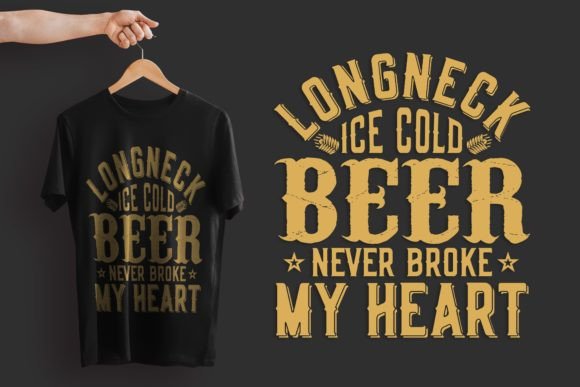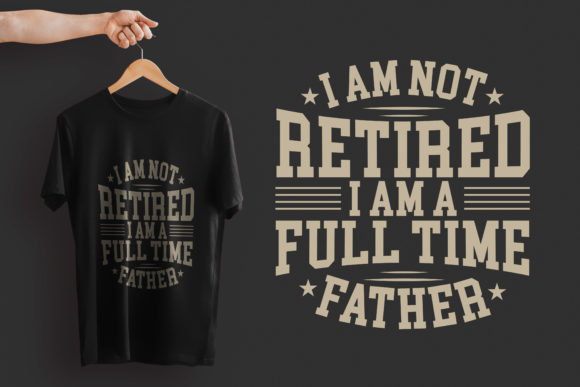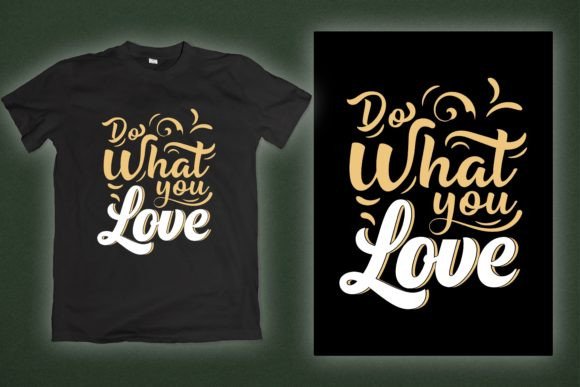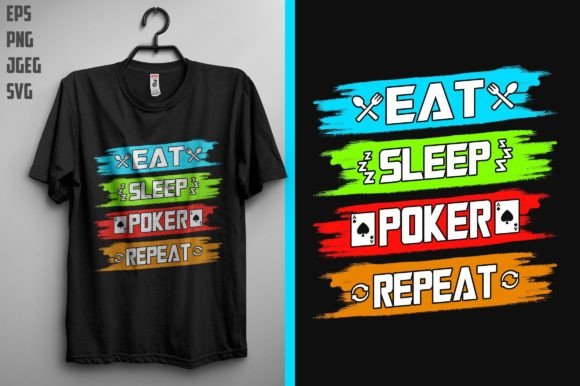
Reviewing the Motivational Quote T-shirt Design for Real Embroidery
As a designer who spends more time staring at stitch simulations than I do sleeping, I have learned that not every Graphics asset translates well to thread. We often browse Print Templates and digital assets with a printer’s mindset, forgetting that embroidery is a tactile, three-dimensional medium. Recently, I evaluated the Motivational Quote T-shirt Design to determine if it holds up under the needle. This isn’t just about whether the typography looks good on a screen; it is about how those curves and lines behave when punched into fabric.
First Impressions: Mood and Visual Personality
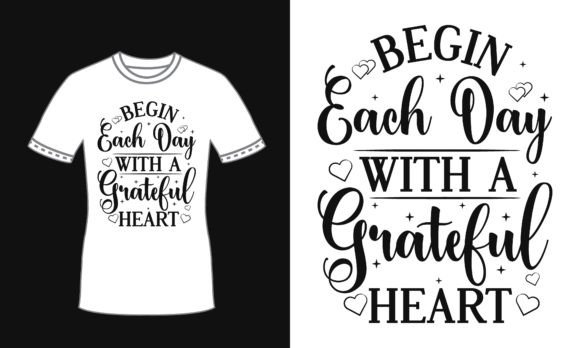
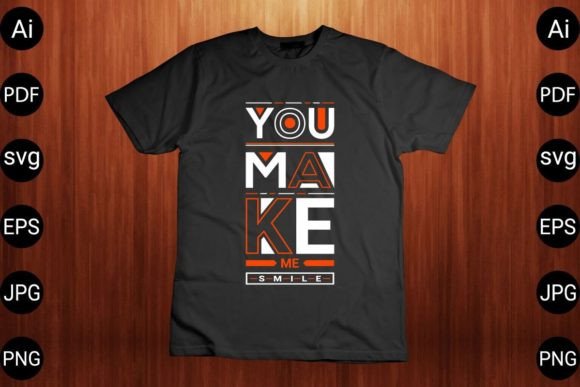
The first thing that strikes you about the Motivational Quote T-shirt Design is its clean, assertive presence. In the world of custom apparel, clarity is king. Motivational typography needs to be legible from a distance, yet intimate enough to feel personal when worn close to the body. The layout suggests a balance between modern minimalism and classic encouragement. It does not rely on overly complex illustrations that might muddy the stitching process. Instead, it leans on strong letterforms and thoughtful spacing.
For an embroidery project, this visual simplicity is a blessing. Complex gradients and tiny serifs often turn into a mess of thread breaks and puckering. This design, however, appears to prioritize bold strokes. When I imagine this stitched out, I see a piece that exudes confidence. It feels suitable for a wide range of moods, from the gentle encouragement needed in nursery decor to the bold statements required for gym wear or boutique branding.
Real-World Application: From Screen to Stitch
To truly test the viability of any machine embroidery design, I like to visualize it in specific, real-life scenarios. Let’s consider a custom embroidered tote bag. Tote bags are typically made from canvas or heavy cotton, which provides a stable base for stitching. The Motivational Quote T-shirt Design would sit beautifully on the front panel of a tote. The structural integrity of the text would complement the rugged texture of the fabric, creating a handmade product that feels durable and high-quality.
Now, let’s move to sweatshirt embroidery. Here, the stakes are higher because fleece and terry cloth are thick and prone to shifting. If the design relies too heavily on dense fill stitch areas without proper underlay, it can become stiff and uncomfortable against the skin. However, if this design utilizes a mix of satins stitch for outlines and lighter fills for larger letters, it could work wonderfully on a chest placement. It transforms a basic garment into a personalized gift that recipients actually want to wear.
I also considered its use in baby embroidery. For infant items, softness is non-negotiable. If the stitch density is too high, the design will feel like a plastic patch rather than part of the fabric. In this context, the design would need to be scaled up slightly to allow for wider stitches, reducing the total number of penetrations per square inch. This adjustment ensures the finished product remains gentle enough for sensitive skin while still delivering that motivational message to proud parents.
Navigating Technical Challenges
While the aesthetic appeal is strong, we must address where the Motivational Quote T-shirt Design requires careful handling. Typography is notoriously tricky in embroidery. Thin lines can disappear into the fabric weave, especially on textured materials like towels or knits. If you are planning to use this on a tea towel or a waffle-knit shirt, you must check the minimum line width. A running stitch might not hold up well on loose weaves; a slight satin border might be necessary to anchor the text.
Dark fabrics present another challenge. If the design is intended for black or navy garments, you cannot rely on subtle shading. You need high-contrast thread colors. I recommend testing the design in a black-and-white mockup first. If the letters lose their definition without color, the digitizing may need adjustment. Additionally, curved surfaces like caps require special attention. The hoop size limits how large you can go, and the curvature can distort long horizontal lines. For cap embroidery, ensure the design is centered and not too wide, preventing the text from wrapping around the sides where it becomes unreadable.
Another critical factor is the choice of stabilizer. No matter how well-digitized the embroidery file is, poor stabilization will ruin the result. For stretchy fabrics like jersey t-shirts, a cut-away stabilizer is essential to prevent the design from warping after washing. For woven fabrics like aprons or pillow covers, a tear-away might suffice, but always test on scrap fabric first. This step is non-negotiable for professional results.
Commercial Value and Brand Consistency
For Etsy sellers and small shop owners, the Motivational Quote T-shirt Design is more than just a pretty picture; it is a business asset. Customers buy into the feeling a product gives them. A well-executed motivational quote can elevate a simple item into a meaningful keepsake. This increases perceived value and encourages buyer engagement. When your custom apparel looks professional, with clean edges and no bird’s nests of thread, customers trust your brand. They are more likely to leave positive reviews and return for future purchases.
Consistency is key. If you are building a line of holiday embroidery gifts or boutique merchandise, this design fits seamlessly into a broader collection. It can be paired with other design assets to create themed sets. For example, combining this quote with a simple floral applique design could create a unique spring collection. The versatility of the typography allows it to adapt to various seasonal themes without losing its core identity.
Practical Notes for the Embroiderer
Before you load this digital embroidery file into your machine, take a moment to review the technical specifications. Since the product description does not list exact stitch counts or compatible formats, you must verify these details with the provider. Ensure the file format matches your machine—whether it is PES, DST, JEF, or another standard. Check if the design has been tested for different hoop sizes. A design optimized for a 5x7 hoop may need resizing for a 4x4, which can affect stitch density and clarity.
- Test on Scrap Fabric: Always stitch a sample on the same type of fabric you plan to use for the final product. This reveals issues with tension, density, and color contrast.
- Check Thread Contrast: Ensure your thread colors stand out against the fabric. High contrast improves readability, especially for motivational text.
- Inspect Small Details: Zoom in on the digitized preview. Look for tiny jumps or unnecessary trims that could slow down production or cause thread breaks.
- Confirm Licensing: If you are selling commercial embroidery products, verify that the license allows for finished goods sales. Some designers restrict the use of their Print Templates and graphics to personal use only.
- Consider the Audience: Think about who will receive the personalized gift. Is the tone appropriate? Is the size right for the garment?
In conclusion, the Motivational Quote T-shirt Design offers a solid foundation for a variety of embroidery projects. Its strength lies in its clarity and emotional resonance. However, its success depends entirely on your execution. By paying attention to fabric choice, stabilization, and stitch quality, you can transform this digital asset into a stunning physical product. Whether you are creating a single embroidered patch for a friend or a full line of small shop products, this design has the potential to perform well. Just remember: in embroidery, the devil is in the details, and the joy is in the craft.