Stitching Spooky Style: A Designer’s Take on Boo Hand Lettered Halloween Quote
As an embroidery designer who has spent countless hours digitizing text and testing stitch paths, I approach every new design with a critical eye. We are not just looking for something cute; we are looking for structural integrity, visual balance, and commercial viability. When I first loaded the Boo Hand Lettered Halloween Quote into my workspace, my initial reaction was one of cautious optimism. The hand-lettered aesthetic is trendy, but it often poses significant challenges when translated from a flat graphic into a textured, thread-based medium.
This particular asset is described as a sublimation design and clipart, which means it originates as a high-resolution graphic rather than a pre-digitized embroidery file. For those of us in the craft business, this distinction is vital. It offers flexibility, allowing us to adapt the Illustrations and Graphics for various uses, from vinyl decals to printed mugs. However, for the embroidery enthusiast or the Etsy seller looking to create custom apparel, the journey from screen to stitch requires careful planning.
The Visual Personality and Mood
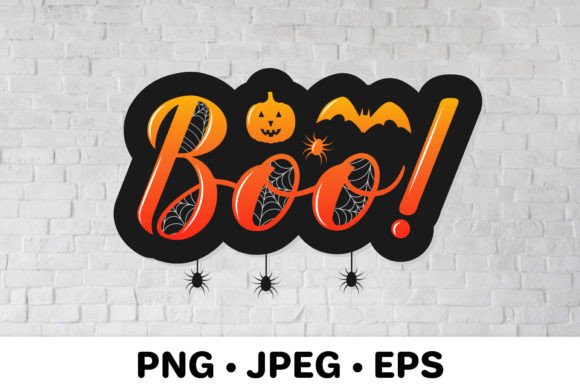
The mood of the Boo Hand Lettered Halloween Quote is playful yet sophisticated. It avoids the cliché horror tropes in favor of a whimsical, modern vibe that appeals to a broader demographic. This is crucial for holiday embroidery, where customers often want something they can wear beyond October 31st. The lettering style features organic curves and varying stroke widths, which creates a dynamic visual flow. In a digital mockup, these variations look elegant. In embroidery, however, they demand respect.
When evaluating this for a real project, I immediately thought about its potential on a neutral-toned tote bag or a cream-colored sweatshirt. The design’s open structure suggests it would breathe well on fabric, avoiding the "cardboard effect" that dense fills often create. It feels like a design meant for casual, everyday wear rather than stiff, formal decor. This versatility makes it a strong candidate for small shop products that need to appeal to both children and adults.
Real-World Application: The Tote Bag Test
To truly understand how this design performs, let’s walk through a specific scenario. Imagine you are preparing a batch of custom embroidered tote bags for a local craft fair. You choose a heavy canvas material, which provides a stable base. Using the Boo Hand Lettered Halloween Quote as your central motif, you must consider how the hand-lettered nuances translate to thread.
If you were to simply auto-digitize this graphic, you might run into issues with the thinner parts of the letters. In embroidery, we rely on satin stitches for narrow elements and fill stitches for broader areas. The transition between these two needs to be seamless. For this design, I would recommend using a combination of satin stitch for the main strokes to maintain sharpness and running stitch for any delicate flourishes. This approach ensures that the stitch density remains manageable, preventing the fabric from puckering.
The result? A tactile, high-quality handmade product that feels premium. Customers touching the bag would feel the raised texture of the thread, adding value to the personalized gift. It transforms a simple canvas bag into a boutique item, enhancing brand consistency for any Etsy seller or creative entrepreneur.
Navigating Fabric and Technical Challenges
While the design is visually appealing, it is not without its technical demands. Hand-lettered fonts often have irregular baselines and varying thicknesses. When working with stretchy fabric like jersey knits for t-shirts or baby clothes, stabilization is non-negotiable. Without a proper cut-away or tear-away stabilizer, the tension of the threads could distort the lettering, making the word "Boo" look warped rather than whimsical.
Additionally, consider the hoop size. If you are stitching this on a cap or a curved surface, the layout must be centered perfectly to avoid distortion during the hooping process. For smaller items like embroidered patches or baby onesies, you may need to simplify the design. Tiny details in hand-lettering can get lost if the scale is reduced too much. Always test the design on scrap fabric first. Check the thread colors against both light and dark backgrounds. A white thread on a black shirt might require a underlay stitch to ensure the design pops without showing the fabric underneath.
For those using this as a sublimation design or clipart, the limitations are fewer, but for embroidery, precision is key. Dense stitch areas can cause needle breaks or thread shredding, especially if the design includes tight corners. Review the digitized file carefully before committing to a final finished product.
Commercial Viability and Brand Value
From a business perspective, the Boo Hand Lettered Halloween Quote offers strong commercial potential. Holiday embroidery is a seasonal goldmine, but only if the designs feel fresh. This design avoids being overly childish, making it suitable for custom apparel aimed at teens and adults. It fits well within the current trend of minimalist holiday decor.
When listing this on your online store, highlight the craftsmanship. Use high-quality printable mockups to show how the design looks on different items, from kitchen towels to pillow covers. Showcasing the design in various contexts helps buyers visualize it in their homes. Remember, buyer engagement increases when they can see the versatility of the design assets.
However, always confirm licensing before selling. Since this is provided as a graphic and sublimation design, ensure you have the rights to use it for commercial embroidery projects. Some licenses allow for physical sales but restrict digital redistribution. Clarify this with the creator to protect your craft business from legal issues.
Final Designer Notes
Before you start stitching, take a moment to plan. Here is a quick checklist for success:
- Test on Scrap: Always stitch a sample on the same fabric type you intend to use for the final product.
- Check Contrast: Ensure your thread color stands out against the fabric. High contrast improves readability.
- Review Density: If the design feels too stiff, reduce the stitch density or adjust the pull compensation.
- Verify Licensing: Confirm whether the license covers commercial use for physical goods.
- Mockup Variations: Create previews on different colored fabrics to show customers the range of possibilities.
In conclusion, the Boo Hand Lettered Halloween Quote is a charming addition to any designer’s library. It bridges the gap between playful holiday spirit and modern aesthetic sensibilities. With careful attention to digitization and fabric choice, it can elevate your holiday embroidery projects from simple crafts to professional-grade merchandise. Whether you are creating a sweatshirt embroidery piece for a client or a set of tote bag designs for your shop, this graphic offers the creative flexibility needed to produce standout work. Just remember, the magic lies not just in the design itself, but in how thoughtfully you execute it.