Gym Fitness T-shirt Design: A Designer’s Real-World Review
As someone who has spent years digitizing and reviewing machine embroidery design files, I have learned that not every graphic translates well to thread. We often see stunning visuals in digital catalogs that fall apart under the needle. Today, I am taking a close, practical look at the Gym Fitness T-shirt Design. This is not just about aesthetics; it is about functionality, stitch integrity, and how this asset performs when moved from a screen to a tangible finished product.
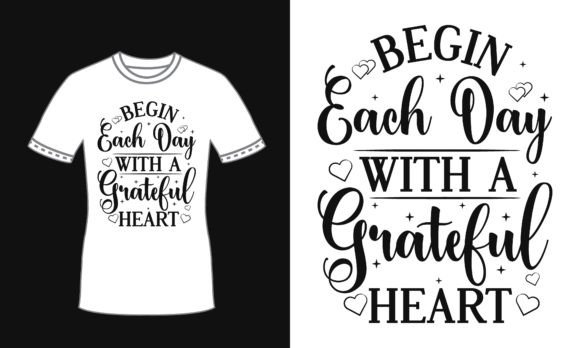
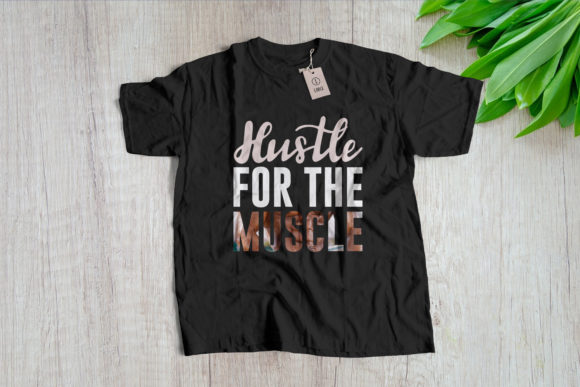
The first thing that strikes me about this Gym Fitness T-shirt Design is its bold, motivational energy. In the fitness niche, clarity is king. Customers do not want ambiguous shapes; they want statements that inspire action. The layout here feels intentional, with strong lines that suggest durability and strength. For an Etsy seller or a craft business owner, this visual personality is crucial. It speaks directly to a demographic that values discipline, making it an ideal candidate for custom apparel aimed at gym-goers, personal trainers, and fitness enthusiasts.
From Digital File to Stitched Reality
Let us discuss the transition from a digital embroidery file to actual fabric. The product description notes that you receive a ZIP folder with vector shapes that are fully editable. This is a significant advantage for designers who need to tweak colors for different fabric backgrounds. However, as an experienced reviewer, I must emphasize that vector perfection does not always equal stitch perfection. When I visualize this design on a heavy cotton sweatshirt, the bold elements should hold up beautifully. The potential for a clean fill stitch application is high, provided the density is managed correctly.
I recently considered a similar motif for a client’s line of tote bag design prototypes. The challenge with fitness-themed graphics is often the balance between detail and readability. If the design relies too heavily on tiny text or intricate shading, it can become a muddy mess on textured fabrics. With this specific Gym Fitness T-shirt Design, the emphasis appears to be on strong, recognizable forms. This makes it versatile. It could work equally well as a chest logo on a polo, a large back print on a hoodie, or even as a central element on an embroidered patch.
Practical Applications for Small Shops
For small shop product creators, versatility is key to maximizing return on investment. This design fits naturally into several categories beyond just t-shirts. Imagine this stitched onto a durable canvas apron for a fitness-minded chef or a gym owner. The motivational aspect translates well to personalized gift markets, such as birthday presents for marathon runners or weightlifting competitors.
- Sweatshirt embroidery: The bold lines stand out against fleece textures.
- Caps and hats: Requires careful scaling to fit curved surfaces without distortion.
- Baby embroidery: Only if simplified; complex fitness themes may not suit delicate infant wear.
- Holiday embroidery: Great for New Year’s resolution-themed merchandise.
When using this as part of your design assets, consider the end-user. A printable mockup might look perfect, but real-life fabric texture plays a huge role. On a smooth performance polyester, the stitches will lie flat and crisp. On a rougher linen or heavy denim, you may need to adjust your underlay or stabilizer choice to prevent puckering. This is where the "vector" nature of the source file helps—you can simplify nodes if necessary before converting to your final embroidery format.
Navigating Technical Challenges
While the aesthetic appeal is strong, we must address where caution is needed. Any designer worth their salt knows that stitch density can make or break a project. If this design includes dense areas of solid color, it may pull on stretchy fabrics like spandex or thin cotton blends. I always advise testing on scrap fabric first. Check how the thread colors interact with the base material. The product features mention easy color changes for darker t-shirts, which is helpful, but remember that contrast is vital for legibility.
Another critical factor is hoop size. Ensure your machine can accommodate the full dimensions of the design without re-hooping, which can lead to alignment issues. For curved surfaces like caps, the design may need to be arched or split. Tiny lettering, if present in the motivational quote, should be inspected closely. If the letters are too small, they may turn into indistinguishable blobs of thread. In such cases, switching to a running stitch outline or removing fine details might be necessary for clarity.
Furthermore, consider the washability. Gym gear gets washed frequently, often in hot water. Dense satin stitch borders can help protect fill areas, but excessive density can make the garment stiff and uncomfortable against the skin. Balance is essential. You want the design to last, but not at the cost of wearer comfort.
Enhancing Brand Value and Trust
Using high-quality Graphics and Print Templates as a base for embroidery can elevate your brand. When customers receive a handmade product that looks professional and durable, their trust in your craft business grows. This Gym Fitness T-shirt Design offers a polished look that can enhance brand consistency across your product line. Whether you are selling commercial embroidery services to local gyms or creating ready-to-ship items for online stores, the professionalism of the design reflects on your business.
Buyer engagement often hinges on presentation. Use this design to create compelling social media content. Show the behind-the-scenes process of stitching it out. Highlight the quality of the threads and the precision of the hoops. These details matter to discerning buyers who value artisanal quality over mass-produced prints. A well-executed embroidery project stands out in a saturated market, offering a tactile experience that printed shirts cannot match.
Final Designer Notes and Recommendations
Before you commit to a large production run, take these practical steps. First, verify the license terms. Since this is an INSTANT DOWNLOAD, confirm whether it allows for commercial use of finished items. Most designers permit selling physical goods, but restrictions on reselling the digital file itself are standard. Always read the included documentation.
Second, test on various fabrics. Try it on a dark cotton tee, a light polyester blend, and a thick towel. Observe how the stabilizer interacts with each. A cut-away stabilizer is usually best for stretchy gym wear, while tear-away might suffice for stable cottons.
Third, check the color contrast. The ability to change colors is a feature, but ensure your chosen palette provides enough distinction. A dark thread on a dark shirt will vanish. Use bright, energetic colors that align with the fitness theme—neons, stark whites, or bold blacks.
In conclusion, the Gym Fitness T-shirt Design is a promising asset for those in the embroidery and apparel decoration space. It combines motivational messaging with a structure that lends itself well to stitching, provided technical adjustments are made for fabric and density. For creative entrepreneurs looking to expand their fitness-related offerings, this design offers a solid foundation. Just remember: the magic happens not in the download, but in the thoughtful execution of the stitch.