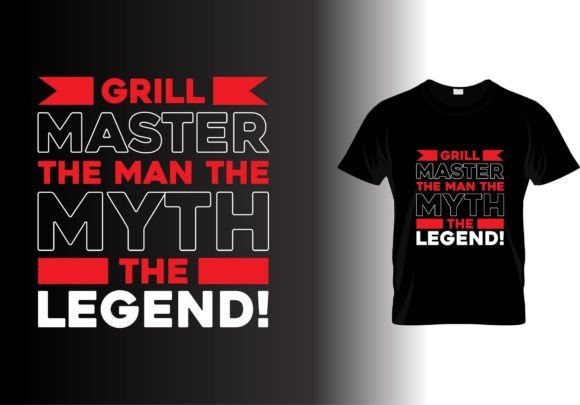
Reviewing the BBQ T-Shirt SVG for Real Embroidery Use
As a designer who spends half my life digitizing and the other half stitching, I have learned that not every graphic translates well to thread. We often see stunning T-Shirt Designs in digital marketplaces that look incredible on a screen but turn into a tangled mess under the needle. Today, I am taking a close, practical look at the BBQ T Shirt SVG Design. This is not just about whether it looks cute; it is about whether it holds up in a real-world embroidery project, from the first hoop-up to the final press.
The product description lists this as a versatile asset for sublimation, mugs, and bags, providing EPS, SVG, and high-resolution PNG files. But for us embroidery professionals and Etsy sellers, the question is always: how does this vector art behave when converted into stitches? Let’s break it down from the perspective of someone who has to deliver a flawless finished product to a paying customer.
First Impressions: Mood and Visual Personality
When I first opened the BBQ T Shirt SVG Design, the immediate vibe was casual, warm, and inviting. It captures that classic backyard gathering aesthetic without feeling cluttered. For a designer, clean lines are everything. Complex gradients in Graphics do not work in embroidery, so I looked for strong shapes and clear separation between elements. This design appears to have a balanced layout, which is crucial. If the elements are too close together, you risk thread breaks or fabric puckering. The theme suggests fun, family, and food, making it a natural fit for personalized gifts and seasonal holiday embroidery.
The visual personality here is approachable. It is not overly intricate, which is actually a benefit for production speed. For a craft business, time is money. A design that stitches cleanly and quickly allows you to fulfill orders faster, whether you are making custom apparel for a local restaurant or batch-producing items for a craft fair.
Real-World Application: Where This Design Shines
I recently worked on a commission for a family reunion, and a design like this would have been perfect. Imagine this stitched onto a high-quality cotton tote bag design. The bold nature of BBQ-themed artwork stands out beautifully against canvas or heavy cotton. Because the design likely features distinct shapes rather than fine, hairline details, it translates well to larger hoop sizes, such as a 5x7 or 6x10 inch frame.
Beyond tote bags, consider sweatshirt embroidery. A crewneck sweatshirt provides a stable, thick surface that handles stitch density well. Placing this design on the left chest or centered on the back creates a boutique feel. It also works exceptionally well for custom apparel aimed at dads, grill masters, or summer party hosts. The versatility extends to home goods as well. Picture this on a kitchen towel or an apron. These items get used frequently, so the design needs to be durable. If the original SVG has solid fills, they will convert nicely into satin or fill stitches that withstand washing.
For those running a small shop product line, this asset can be adapted for embroidered patch creation. Patches are trending, and a BBQ theme sells year-round, with peaks in spring and summer. By adding a merrowed edge border in your digitizing software, you can turn this graphic into a standalone product that customers can iron or sew onto jackets and hats.
Technical Considerations and Fabric Choices
While the BBQ T Shirt SVG Design is visually appealing, we must discuss where to use it carefully. Embroidery is unforgiving on certain surfaces. If you plan to stitch this on a cap or curved surface, you must account for distortion. Caps require specialized backing and often a slightly simplified version of the design to prevent pulling. Similarly, avoid placing dense areas of this design on thin or stretchy fabrics like lightweight rayon or jersey knits without proper stabilization.
Stabilizer choice is non-negotiable here. For a design of this nature, I recommend a cut-away stabilizer for garments that will be washed often, ensuring the stitches do not pull out over time. For woven items like tote bags or aprons, a tear-away might suffice, but always test first. The thread colors you choose will define the success of the project. Since this is a BBQ theme, think warm tones: deep reds, oranges, charcoal grays, and mustard yellows. Ensure there is enough contrast between the thread and the fabric texture. Stitching yellow thread on a white shirt will vanish; stitching it on navy or black will pop.
Be cautious with tiny lettering if the SVG includes text elements. In embroidery, small text can become illegible if the stitch width is too narrow. If you are digitizing this yourself from the SVG file, you may need to enlarge any text components or switch to a simpler font style to maintain clarity. Always check the stitch density. If the original graphic has large solid black areas, converting them directly to 100% fill stitch will create a stiff, cardboard-like feel. Use underlay stitches effectively and consider breaking up large fills with patterned stitching to keep the fabric soft.
Enhancing Product Value and Customer Trust
Using a well-chosen design like the BBQ T Shirt SVG Design directly impacts your brand perception. When a customer receives a personalized gift that looks professional, they trust your handmade product quality. Sloppy stitching or poor design placement lowers perceived value. Conversely, a clean, well-executed embroidery job justifies a higher price point. This design helps with brand consistency if you are targeting a rustic, outdoor, or culinary niche. It signals to buyers that you understand their lifestyle and interests.
For digital embroidery file sellers, offering this as part of a bundle can increase average order value. However, remember that selling the digital file is different from selling the physical item. Ensure you understand the licensing terms provided by the creator. The description mentions use for creating products, which typically implies commercial use for physical goods, but always verify if redistribution of the digital file itself is permitted.
Practical Designer Notes for Best Results
Before you commit to stitching this on a client’s expensive garment, follow these steps:
- Test on scrap fabric: Always run a test stitch-out on the same material you intend to use for the final product. This reveals tension issues and registration errors.
- Check color contrast: View your design in black and white. If the elements blend together, you need to adjust thread choices or add outlining.
- Verify hoop size: Ensure the design fits comfortably within your machine’s hoop with room for clamping. Do not cram a large design into a small hoop.
- Inspect small details: Zoom in on the SVG. Are there tiny islands of color that might get lost? Simplify if necessary.
- Mockup verification: Use digital mockups to show clients how the design looks on dark versus light fabrics before stitching.
In conclusion, the BBQ T Shirt SVG Design offers a solid foundation for various commercial embroidery projects. It is not just a pretty picture; it is a functional asset that, when handled with technical skill, can elevate your design assets portfolio. Whether you are creating a baby embroidery item for a shower gift or branding merchandise for a BBQ joint, this design holds potential. Just respect the limitations of the medium, choose your materials wisely, and let your stitching expertise shine through.