Reviewing Typography T-shirt SVG Sublimation for Stitch
As a designer who spends more time staring at stitch simulations than actual fabric, I have learned to be skeptical of digital assets marketed broadly. When I first encountered Typography T-shirt SVG Sublimation, my initial reaction was cautious. The title suggests a product built for heat transfer and sublimation printing, yet my workflow revolves around needle and thread. However, in the modern craft economy, versatility is king. I decided to evaluate this asset not just as a print file, but as a potential foundation for high-quality embroidery projects, assessing whether it holds up under the scrutiny of a hoop and machine.
First Impressions: Mood and Visual Personality
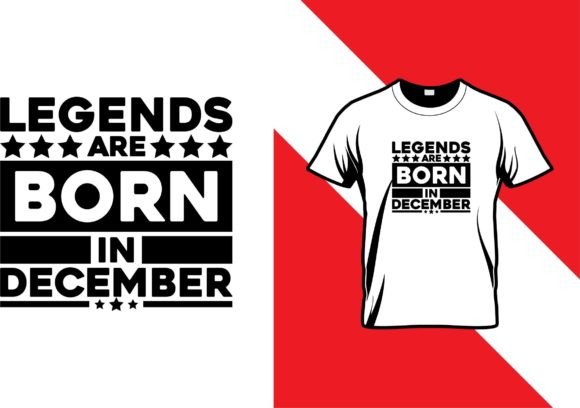
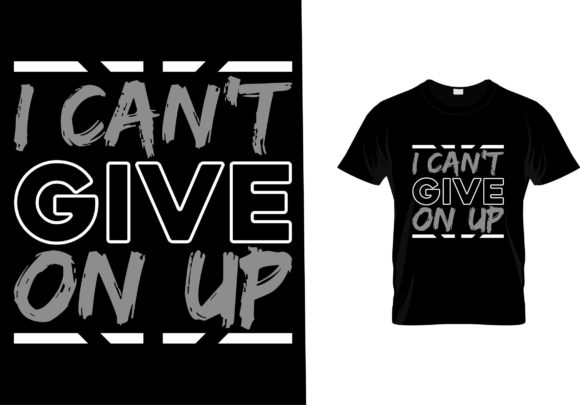
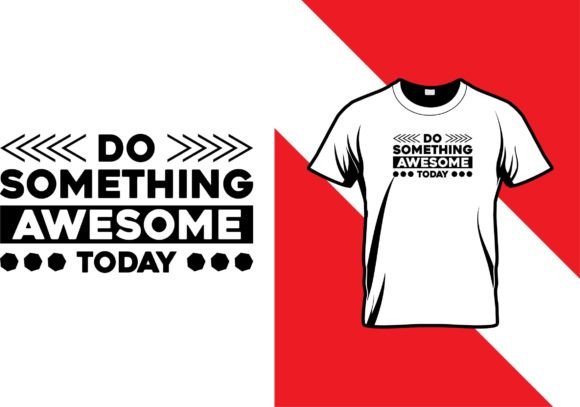
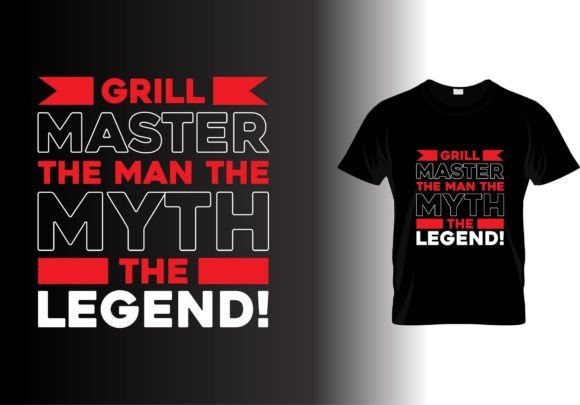
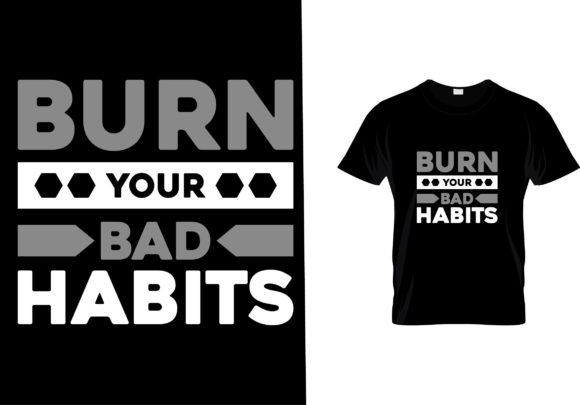
The immediate appeal of this design lies in its typographic structure. Typography is notoriously difficult to translate from screen to stitch because letters rely on precise negative space and clean lines. Upon opening the provided files, specifically the SVG File and the high-resolution PNG File 4500×5400, I noticed a bold, confident layout. The mood is contemporary and versatile, lacking the overly ornate flourishes that often cause stitching nightmares. It feels grounded, making it suitable for both minimalist modern aesthetics and rustic handmade vibes. For an embroidery designer, this simplicity is a gift. It suggests that the design will not require excessive underlay or complex compensation for fabric pull, which is often the downfall of intricate graphic conversions.
Real-World Application: From Screen to Sweatshirt
To truly test the viability of Typography T-shirt SVG Sublimation, I imagined a real-life scenario involving a custom order for a local boutique. The client wanted a line of unisex sweatshirts with a clean, typographic statement across the chest. While the product description highlights sublimation uses for mugs and bags, the vector nature of the EPS File and SVG File allows for significant manipulation. I imported the SVG into my embroidery digitizing software to trace the outlines for a satin stitch border or a dense fill stitch interior.
The result was promising. The shapes translated well into a machine embroidery design without losing their legibility. For a sweatshirt embroidery project, the bold lines of the typography would stand out beautifully against textured fleece. The design does not rely on subtle gradients, which are impossible to replicate with thread, but rather on strong contrast. This makes it an excellent candidate for custom apparel where durability and visual impact are paramount. If I were creating a handmade product for an Etsy seller, this design could easily serve as the centerpiece for a premium personalized gift, offering a professional look that elevates the perceived value of the garment.
Navigating Fabric and Hoop Constraints
While the design is robust, it is not without its challenges. Embroidery is a physical medium, and physics dictates how thread behaves on fabric. When considering this design for smaller items, such as a tote bag design accent or a embroidered patch, hoop size becomes critical. The original aspect ratio of the PNG suggests a vertical orientation, which fits well on standard rectangular hoops. However, if you plan to use this on curved surfaces like caps, you must be wary of distortion. The straight lines of the typography can warp if the stabilizer is not applied correctly or if the fabric stretches during stitching.
I would advise caution when using this on thin or stretchy fabrics. Without proper stabilizer support, the tension from the fill stitch areas could cause puckering, ruining the clean aesthetic of the typography. For baby embroidery projects, where softness is key, I would recommend reducing the stitch density significantly or converting the solid fills into a lighter running stitch pattern to maintain comfort. Additionally, on dark fabrics, the choice of thread colors is vital. Since this is a typographic design, high contrast is necessary for readability. A metallic thread could add a luxurious touch for holiday gifts, while matte cotton threads would suit everyday small shop product lines.
Commercial Viability and Brand Consistency
For commercial embroidery professionals and craft business owners, consistency is the backbone of brand trust. Using a versatile asset like Typography T-shirt SVG Sublimation allows for cohesive branding across different product types. You can use the same typographic motif on a pillow cover, a kitchen towel, and a tote bag, creating a recognizable collection. The availability of multiple formats, including the EPS File, means you can scale the design without losing quality, ensuring that your printable mockup images match the final finished product exactly. This accuracy reduces customer disputes and enhances professionalism.
However, it is crucial to understand the licensing terms. The product description states it is for creating products such as sublimation t-shirts, mugs, and bags. It does not explicitly state whether the digital file itself can be resold or if the embroidered finished goods have unlimited commercial rights. As a responsible designer, I always recommend checking the specific license agreement before listing items on your store. Assuming commercial use is permitted for finished goods, this design offers high ROI due to its adaptability across T-Shirt Designs and home decor Graphics.
Practical Designer Notes for Best Results
Before committing to a full production run, follow these practical steps to ensure success with this design:
- Test on Scrap Fabric: Always stitch out a sample on the exact fabric weight you intend to use. This reveals any tension issues or puckering before you risk customer merchandise.
- Check Thread Contrast: Typographic designs live or die by readability. Ensure your thread color contrasts sharply with the fabric background, especially for smaller text elements.
- Review Stitch Density: If digitizing from the SVG, avoid overly dense fills. High density can make the fabric stiff and heavy, detracting from the comfort of apparel.
- Confirm Hoop Size: Measure the design dimensions against your machine’s maximum hoop size. You may need to split the design or resize it to fit standard hoops.
- Inspect Small Details: Zoom in on the vector paths. Tiny serifs or narrow gaps may need to be widened or removed to prevent thread breaks or messy stitching.
- Mockup Verification: Create black and white mockups to check the silhouette of the design. If it looks good in monochrome, it will likely stitch well.
- Licensing Confirmation: Double-check the seller’s terms regarding commercial use for physical products versus digital resale to protect your business legally.
Final Verdict
Typography T-shirt SVG Sublimation is a surprisingly capable asset for the embroidery community, provided it is approached with technical awareness. It bridges the gap between print-on-demand ease and the tactile quality of stitched goods. For the creative entrepreneur looking to expand their design assets library, this file offers a solid foundation for creating high-value, personalized items. It is not just a graphic; it is a blueprint for a tangible product that can resonate with customers seeking authenticity and craftsmanship. By respecting the limitations of thread and fabric, you can transform this digital file into a standout piece of wearable art.