Square Floral Frame: A Designer’s Practical Review
As an embroidery designer who has spent countless hours digitizing, testing, and critiquing designs for real-world application, I approach every new machine embroidery design with a mix of curiosity and skepticism. We have all seen those overly complex digital files that look stunning on a screen but turn into a tangled mess of thread breaks and puckering on fabric. That is why when I recently evaluated the Square Floral Frame, my focus was not just on aesthetics, but on functionality. This piece falls under the category of Print Templates and Graphics, specifically offering an SVG file, which suggests versatility beyond just machine stitching, but for this review, I am looking at it through the lens of a stitcher preparing a tangible, high-quality product.
First Impressions: Mood and Visual Personality
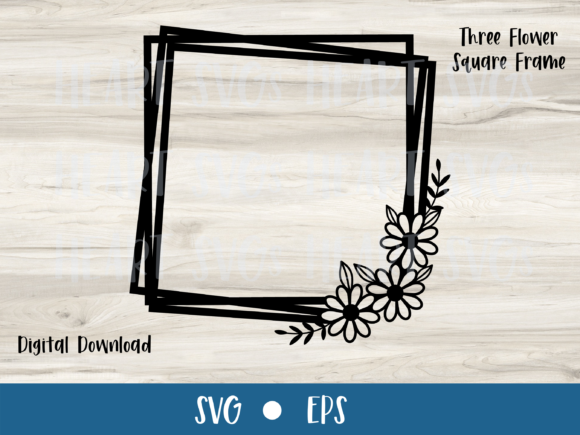
The first thing that strikes you about the Square Floral Frame is its balanced symmetry. In a market saturated with organic, free-flowing wreaths, a structured square frame offers a refreshing sense of order. The mood it creates is one of classic elegance mixed with rustic charm. It feels grounded. The layout provides a clear, open center, which is crucial for usability. Whether you are framing a photo, inserting a favorite quote, or creating a welcome sign for a front door, the negative space is generous enough to accommodate text without crowding the floral elements.
From a visual personality standpoint, the design leans towards traditional botanicals rather than modern minimalism. This makes it highly adaptable. It does not scream "trendy," which is actually a benefit for longevity. A design that is too trendy often dates a product within a season. This frame feels timeless, suitable for heirloom projects or standard retail items alike.
Real-World Application: The Tote Bag Test
To truly understand how this design performs, I mentally walked through a common scenario for many Etsy sellers and craft business owners: creating a custom embroidered tote bag. Tote bags are typically made from canvas or heavy cotton, fabrics that can be unforgiving if the stitch density is too high or the stabilization is poor.
Using the Square Floral Frame on a natural-colored canvas tote, the contrast would be key. I envisioned using deep green and muted rose thread colors to let the floral details pop against the neutral background. Because the design is a frame, it naturally draws the eye to the center. If I were adding a monogram or a small business logo in the middle, the square border acts as a perfect container, giving the finished product a polished, professional look. It elevates a simple bag from a generic accessory to a personalized gift or a boutique-level small shop product.
Beyond tote bags, this design shines in sweatshirt embroidery. Placed on the left chest or centered on the back, the square shape complements the structure of a hoodie or crewneck. It avoids the awkward draping issues that circular wreaths sometimes encounter over seams or zippers. For baby embroidery, such as on a bib or a nursery wall hanging, the softness of the floral elements adds a gentle touch, provided the stitch count is appropriate for delicate skin contact areas.
Technical Considerations and Stitching Clarity
While the aesthetic appeal is strong, we must discuss the technical execution. Since the product listing specifies that it includes an SVG file, it is vital to clarify what this means for machine embroiderers. An SVG is a vector graphic, typically used for cutting machines or print templates. If you are planning to use this as a machine embroidery design, you must ensure you have the correct embroidery file formats (such as PES, DST, or JEF) compatible with your specific machine. If the listing only provides an SVG, you may need to digitize it yourself or convert it using specialized software, which requires a keen eye for stitch density and pathing.
Assuming you have a properly digitized version, pay close attention to the corners of the square. Sharp corners in floral designs can be tricky. If the digitizer has not used proper underlay stitches or if the satins stitch width is too wide for the corner radius, you risk needle breaks or thread bunching. I recommend running a test on scrap fabric first. Check if the floral leaves utilize fill stitches that are too dense for lightweight fabrics. If you are working with thin material, such as a voile or lightweight cotton for a kitchen towel, you might need to reduce the density or use a heavier cut-away stabilizer to prevent puckering.
Fabric and Hoop Constraints
The square shape presents unique challenges regarding hoop size. Unlike circular designs that fit easily into round hoops, a square frame requires a hoop that accommodates the diagonal measurement if you want to rotate it, or a rectangular hoop for optimal alignment. Always confirm your hoop dimensions before starting. Additionally, be cautious when applying this to curved surfaces like caps. The rigid straight lines of the square may distort on a curved brim unless you are experienced with cap frames and stabilization techniques.
For dark fabric, consider the thread colors carefully. Lighter threads on dark backgrounds require precise tension settings to avoid showing the bobbin thread. A running stitch outline might be necessary to define edges if the fill stitches do not provide enough coverage. Conversely, on textured fabrics like linen or wool, finer details in the petals might get lost. In such cases, simplifying the design or increasing the stitch thickness can help maintain clarity.
Commercial Value and Brand Consistency
For commercial embroidery professionals and digital product sellers, the value of a design lies in its versatility and customer appeal. The Square Floral Frame supports brand consistency because it can be adapted across various products. Imagine using the same frame on a wedding invitation suite (as a printable mockup or actual print), then stitching it onto a ring bearer’s pillow or a bridal robe. This cross-medium consistency builds trust and recognition.
When selling finished items, such as an embroidered patch or a holiday embroidery ornament, the perceived value increases with clean, crisp stitching. This design, with its defined borders, helps hide minor imperfections at the edges if hooped correctly. It signals professionalism. Buyers engage more with products that look intentional and well-crafted. A messy, poorly framed design suggests haste; a clean square frame suggests care.
Practical Designer Notes for Best Results
- Test Before You Sell: Always stitch out the design on the exact fabric type you plan to use for your final product. What works on denim may fail on silk.
- Check Licensing: Since this is listed under Graphics and Print Templates, verify the license terms. Can you sell the stitched physical item? Can you resell the digital file? Never assume commercial rights are included unless explicitly stated.
- Contrast is Key: Use high-contrast thread colors to highlight the floral details. Test your design in black and white mockups to ensure the shapes remain distinct even without color.
- Stabilizer Selection: Match your stabilizer to your fabric. Use cut-away for stretchy knits like sweatshirts and tear-away for stable wovens like cotton tote bags.
- Inspect Small Details: Zoom in on the SVG or embroidery file. Are there tiny, isolated stitches that might cause bird nests? Clean up any unnecessary nodes or points if you are editing the file.
In conclusion, the Square Floral Frame is a solid addition to any designer’s library, provided it is handled with technical awareness. It bridges the gap between decorative art and functional design, offering a structured yet soft aesthetic that appeals to a broad audience. Whether you are a hobbyist making gifts or a seasoned apparel decorator fulfilling bulk orders, this design offers the flexibility needed for diverse projects. Just remember to respect the technical requirements of your materials and machinery, and you will achieve a finished product that stands out for its quality and charm.