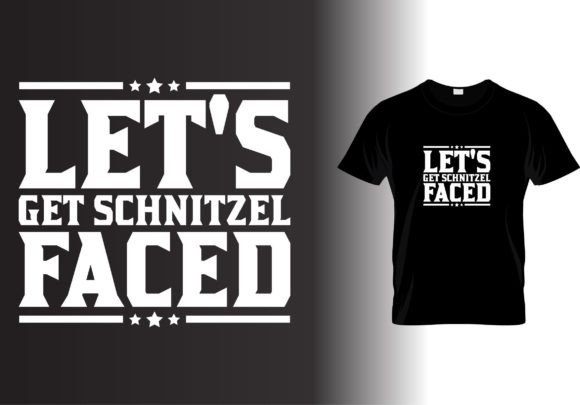
Reviewing the Oktoberfest T-Shirt SVG for Embroidery
As a designer who spends more time staring at stitch simulations than I care to admit, I approach every new machine embroidery design with a mix of optimism and skepticism. We have all been there: you download a file that looks crisp on the screen, only to watch it turn into a tangled mess of thread breaks and puckering on your hoop. That is why I took a close look at the Oktoberfest T-shirt SVG Design before committing it to any client project or personal stash. This is not just about whether the graphic is cute; it is about whether it holds up under the needle.
The first impression of this design is undeniably festive. It captures that specific Bavarian mood—pretzels, beer steins, and traditional typography—without feeling cluttered. For those of us in the craft business, visual clarity is everything. When I opened the files, I was pleased to see the variety included. The package offers an EPS File, an SVG File, and a high-resolution PNG File at 4500×5400 pixels. While the product description mentions these are ideal for sublimation on t-shirts, mugs, and bags, my interest lies in how these vector paths translate into thread.
From Vector to Stitch: A Practical Assessment
The core challenge with any T-Shirt Designs intended for embroidery is the translation from flat Graphics to textured thread. The Oktoberfest theme relies heavily on bold shapes and recognizable icons. In my experience, this is a good thing. Intricate, tiny details often get lost in the stitch density required for durability. This design appears to have strong, clean lines that would digitize well into satin stitches or clean fill stitches.
I imagined using this for a custom embroidered tote bag. Tote bags are usually made of canvas or heavy cotton, which provides a stable base for embroidery. The bold nature of the Oktoberfest imagery would pop beautifully against a natural linen or a deep navy fabric. However, if you are planning to use this on a stretchy t-shirt, you need to be cautious. The design’s width matters. If the original SVG is wide, stretching it across a chest panel without proper stabilization will cause the fabric to pucker around the stitches. I always recommend testing on scrap fabric first, especially when moving from a rigid surface like a mug (for sublimation) to a flexible one like apparel.
Real-World Application Scenarios
Let’s talk about where this design actually shines. I can see this working exceptionally well as a central motif on a sweatshirt. The cozy, autumnal vibe of Oktoberfest pairs perfectly with fleece or French terry cloth. When digitizing this for a sweatshirt, I would likely increase the underlay stitches to ensure the design sits flat and does not sink into the pile of the fabric.
Another strong candidate is the embroidered patch. Patches are trending heavily among Etsy sellers and small shop owners. By stitching this design out on a twill backing and cutting it out, you create a versatile asset that customers can iron onto jackets, hats, or backpacks. This extends the life of the design beyond a single garment. For baby embroidery, however, I would hesitate. The themes associated with Oktoberfest are generally adult-oriented. Unless you are modifying the elements significantly to remove alcohol references, this is not suitable for nursery decor or baby clothes. Know your audience.
For holiday embroidery leading up to October, this design is a goldmine for personalized gifts. Imagine a set of kitchen towels with a smaller version of the graphic stitched in the corner. The high-resolution PNG included in the pack allows you to create printable mockups quickly, which is essential for online listings. As an Etsy seller, having high-quality visuals is half the battle. You can overlay the PNG onto product photos to show customers exactly what the finished product could look like before you even stitch a single thread.
Navigating Technical Constraints
While the design is visually appealing, there are areas where you must exercise caution. If you are working with a small hoop size, such as a 4x4 inch hoop, you may need to split the design or reduce it significantly. Reducing complex graphics too much can lead to issues with stitch clarity. Tiny lettering or thin lines in the original SVG might become indistinguishable blobs of thread if scaled down too far. Always check the smallest detail in your digitizing software before hitting start.
Fabric texture also plays a massive role. On textured fabrics like waffle knit or rough linen, the thread needs to be thick enough to cover the weave. A standard 40-weight polyester thread should work, but if the design has large open areas, you might need to adjust the fill stitch density to prevent the fabric from showing through. Conversely, on dark fabric, ensure your thread colors have enough contrast. A light-colored pretzel on a black shirt looks great, but a dark brown beer stein on a navy shirt might disappear. Test your thread color combinations physically, not just on screen.
Curved surfaces like caps present another challenge. The front panel of a cap is narrow and curved. If the Oktoberfest design is wide, it will distort when stitched on a cap. You would need to resize it to fit the available space, ensuring that the aspect ratio remains correct so the pretzels do not look squashed. Using a proper stabilizer is non-negotiable here; a stiff cut-away stabilizer will help maintain the shape of the design on the structured front of a hat.
Commercial Viability and Brand Consistency
For commercial embroidery projects, consistency is key. If you are building a brand around German heritage or fall festivals, this design fits seamlessly. It adds professionalism to your boutique branding because it looks intentional and thematic. However, you must confirm licensing before selling finished items. The product description states it is for creating products like sublimation t-shirts and mugs, but it does not explicitly detail the terms for commercial embroidery resale. Always reach out to the creator or check the license file included in the download. Selling digital embroidery files derived from this SVG is likely prohibited, but selling physical handmade products is usually permitted under standard commercial licenses.
Visual appeal drives buyer engagement. A clean, well-executed embroidery job builds customer trust. If the stitches are dense and neat, the perceived value of the handmade product increases. This design, with its bold shapes, allows for a high-quality finish that looks premium. It avoids the "cheap" look that comes from poorly digitized, sparse designs.
Final Designer Notes
Before you commit to a large batch of production, take these steps. First, digitize the SVG yourself or hire a professional digitizer if the file is not already in a machine format like PES or DST. Do not assume an auto-digitize function will do a perfect job; manual editing of stitch angles and densities is crucial for a professional result. Second, run a test stitch on the actual fabric you plan to use. Check for thread breaks, nesting, and registration issues. Third, consider the washability. Items like aprons and tea towels go through frequent washing. Ensure your thread choice is colorfast and your stabilizer is appropriate for laundering.
The Oktoberfest T-shirt SVG Design is a solid asset for your library of design assets. It offers versatility across sublimation and, with careful digitizing, embroidery. Whether you are creating a custom apparel line for a local brewery, making personalized gifts for friends, or stocking your small shop with seasonal items, this design has the potential to perform well. Just remember: the file is only as good as the execution. Take the time to respect the materials, understand the constraints of your machine, and prioritize quality over speed. That is how you turn a simple graphic into a cherished finished product.