Reviewing the Pumpkin SVG for Real Embroidery Projects
As a designer who spends more time staring at stitch simulations than I care to admit, I have learned that not every digital file translates well to thread. We see thousands of design assets floating around the internet, but only a handful survive the transition from screen to fabric. Recently, I took a close look at the Pumpkin SVG, a graphic marketed primarily for T-Shirt Designs and general crafting. My goal was simple: determine if this file holds up under the needle for serious commercial embroidery projects, or if it is better left as a print-only asset.
First Impressions and Visual Personality
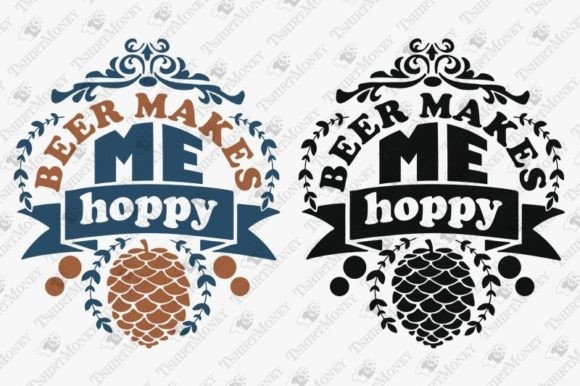
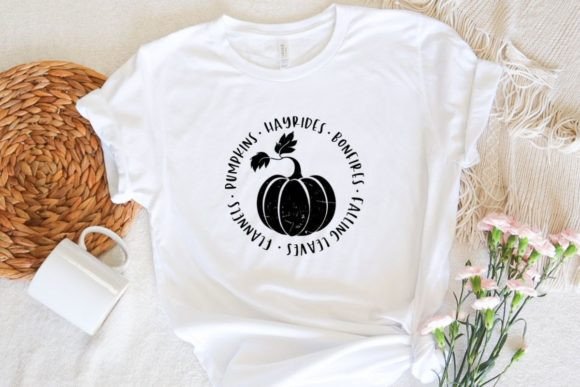
The moment I opened the file, the mood was unmistakable. This is not a hyper-realistic botanical study; it is a fun, quote-driven design with a playful personality. The layout suggests a casual, autumnal vibe that fits perfectly into the current trend of cozy, handmade aesthetics. For an Etsy seller or a small shop product creator, visual appeal is the first hurdle. This design clears it easily. The shapes are bold enough to be recognized from a distance, which is crucial for items like tote bags or sweatshirts where the design needs to pop.
However, viewing it as a vector graphic is different from viewing it as a potential machine embroidery design. The lines are clean, which is a good sign. Clean lines usually mean fewer stray stitches and cleaner trim paths. But the "fun quote" aspect mentioned in the description raises a flag. Text in embroidery is tricky. If the lettering is too thin or the kerning too tight, it can become a tangled mess of thread. I immediately zoomed in to check the spacing between characters and the thickness of the strokes.
The Real-World Test: A Custom Tote Bag Scenario
To truly evaluate the Pumpkin SVG, I imagined a specific client request: a set of reusable grocery totes for a local farmer’s market vendor. The client wanted something durable, washable, and seasonally appropriate. This is a classic use case for a tote bag design. Cotton canvas is forgiving, but it has a distinct fabric texture that can swallow small details.
In this scenario, the pumpkin motif works well because it relies on larger shapes. If I were digitizing this myself, I would likely use a combination of fill stitch for the body of the pumpkin to give it weight and coverage, and a satin stitch for the outline or stem to add definition. The quote element, however, would need careful handling. On a textured canvas, tiny letters disappear. I would need to ensure the font weight is substantial. If the provided SVG has delicate serifs or hairline strokes, they would need to be thickened during the digitizing process before being sent to the machine.
This is where the distinction between a digital embroidery file and a raw SVG matters. Since the product description states you receive SVG and PNG files, it implies these are cut files or print-ready graphics, not necessarily pre-digitized stitch files like PES or DST. For an experienced designer, this is not a dealbreaker; it is a starting point. We take the SVG, import it into our embroidery software, and assign stitch types. For a hobbyist without digitizing software, this step is a barrier. It is essential to confirm whether you have the tools to convert these Graphics into stitch data.
Fabric Considerations and Stitch Density
One of the most critical aspects of any embroidery project is how the design interacts with the material. I considered how this design would perform on different substrates. For sweatshirt embroidery, the plush texture of fleece requires higher stitch density to prevent the fabric from showing through the design. The bold nature of the pumpkin shape supports this well. However, if the quote includes fine details, they might sink into the fleece.
Conversely, for baby embroidery on soft onesies, comfort is paramount. High-density stitching can feel stiff and scratchy against sensitive skin. In this case, I would recommend using a lighter fill or even an applique design approach if the software allows, though the SVG format suggests a standard filled look. Using a soft stabilizer is non-negotiable here to keep the garment flexible.
Dark fabrics present another challenge. If you are stitching this on a black hoodie, your thread colors must have high contrast. Orange on black is classic, but if the quote is also orange, it might blend in. I always test my designs in black-and-white mockups first to check for value contrast. If the design relies solely on color to distinguish the text from the pumpkin, it will fail on monochromatic garments. A smart designer might choose white thread for the text and orange for the pumpkin to ensure readability.
Commercial Viability and Brand Consistency
For craft business owners, consistency is key. Does this Pumpkin SVG fit your brand? If your shop specializes in minimalist, modern decor, this fun, quote-heavy design might clash. But if your brand is about warmth, humor, and seasonal joy, it is a perfect fit. The finished product needs to look professional. Sloppy stitching ruins customer trust. Because this design appears to have clear boundaries, it is easier to achieve a clean look, provided you hoop it correctly.
Speaking of hooping, hoop size is a practical constraint. I advise checking the dimensions of the SVG before purchasing. If the design is large, it might not fit in a standard 4x4 hoop, requiring a 5x7 or larger frame. This affects production time and cost. Always measure your intended placement area on the garment. For custom apparel like caps, the curved surface adds complexity. Small, detailed designs often distort on caps. This pumpkin design, being relatively bold, might work on a cap front panel, but the text needs to be arched or simplified to avoid distortion.
Practical Designer Notes for Best Results
Before you commit to a full production run, follow these steps to ensure quality:
- Test on scrap fabric: Never stitch directly on your final product. Use the same type of fabric and stabilizer you plan to use for the sale item.
- Check thread contrast: Ensure the text is readable against both the pumpkin graphic and the background fabric.
- Review stitch density: If you are digitizing from the SVG, adjust density based on fabric weight. Lower density for knits, higher for wovens.
- Inspect small details: Zoom in on the quote. If any letters touch or have gaps that are too small for a needle to penetrate, simplify the font.
- Confirm licensing: The description mentions immediate download and watermark removal, but always verify if the license allows for commercial embroidery sales. Some creators allow personal use only.
Final Verdict on the Pumpkin SVG
The Pumpkin SVG is a strong candidate for seasonal holiday embroidery and personalized gift items. Its strength lies in its bold, recognizable shapes and cheerful theme. It is particularly well-suited for embroidered patch creation, where the edges can be neatly finished, or for sturdy items like aprons and kitchen towels. While it requires careful attention to text legibility and fabric choice, it offers the versatility needed for a successful small business merchandise line. Just remember that an SVG is a blueprint; the quality of the final handmade product depends on your digitizing skills and machine setup.